
Incentives for Renewable Energy Development
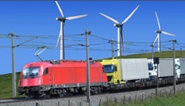 Railroad infrastructure offers the potential to transmit to markets electricity generated by windmills and solar energy installations in remote locations--such as off-shore on the Eastern Continental Shelf or the Great Plains, or the desert Southwest. Railroads can use of the renewable generation to power the North American Steel Interstate System. Though this is not appropriate everywhere, railroads are single-owner rights-of-way that offer opportunity for electric transmission where appropriate and crucial to green energy development.
Sustainable Electric Power
Excerpted from Sunday Train: Powering the Steel Interstate, Bruce McFarling, September 2, 2012:
Note that this entire posting will reward you with an explanation for how supplying wind and solar from remote areas, using Steel Interstate rail right of way for transmission will help create a balanced national grid powered by renewable energy.
A key element of the Steel Interstate system for today's specific topic is that the design envelope requires that the Steel Interstate corridor be able to be used for long-distance High Voltage DC power transmission corridors, for grid-to-grid power transmission. HVDC power lines can transmit power over 600 miles with only 5% transmission power loss. We do not use them for regional power distribution, since they are ill-suited for transmission of power to multiple points, but they are well suited to the task of connecting regional grids that may have excess sustainable power generation to those that have a demand to consume more sustainable power than they are currently generating.
For example, for Wind Power resources, the notional Steel Interstate corridors include a connection to the existing 460-mile HVDC transmission corridor between North Dakota and Minnesota, runs through the Central Plans and Southern Plains wind resources, and connects to the east coast and Great Lakes offshore wind resources. The total wind resource in these areas are many times the present electricity consumption of the United States: indeed, the total wind resource in Kansas alone could provide 75% of US electricity consumption.
Power the Steel Interstate with Conservation Incentives
The one to two percent increase in national electrical generation required to operate the entire Steel Interstate System could be met by introducing electric conservation policies that should be adopted anyway. It is important to understand that newly built electrical generating plants are far more expensive than older generating plants. We can eliminate or minimize the cost impact of additional power consumed by operating the Steel Interstate System by eliminating electric power waste anywhere in the power production, transmission and end-use chain. The easiest and most fruitful place to do this is to help the end-user (power consumer) save energy. This is called Demand Side Management (DSM).
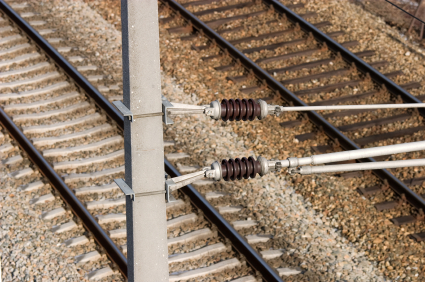 DSM techniques encourage conservation by pricing increased electricity consumption at the marginal cost of higher-priced new energy generation. This approach corrects price signals to consumers reflecting the true cost of added electrical generation facilities to meet higher demand--peak power generation. The result would be cost-effective and appropriate adoption of energy efficiency technologies. The home- or business-owner who adopts these energy-efficiency technologies saves money on the investment as well as saving energy. Time-of-day and interruptible service options for large industrial users can further reduce the demand for expensive new generating capacity and save on industrial utility costs.